The BC science curriculum from kindergarten to grade nine is an interconnected journey rather than a series of isolated topics. Although the content changes from year to year. There are overarching themes throughout the entire program that remain consistent for students. These foundations create a continuity that allows students to build a strong scientific mindset […]
Continue readingCategory: Science
science page
Science in Society
During our science classes, we had a guest speaker, Phil Esslinger, join us for a discussion on science and its role in society. The presentation started with an inquiry. Phil is a geologist and was fascinated by a natural phenomenon he observed in the Kootenays. Phil then showed the class several photos of small black […]
Continue reading
In The Footsteps of Nanabozho: Becoming Indigenous to Place
This week, we read another chapter of Robyn Wall Kimmerer’s book Braiding Sweetgrass. The chapter discusses the history of the first man, Nanabozho, in the Anishnabe culture. As the chapter follows the creation story, it highlights parallels between Nanabozho’s story and our society today. Interestingly, Nanabozho viewed himself as an immigrant when he first set […]
Continue reading
Science Demonstrations
Immediately when I saw the science course on my curriculum, my mind was filled with visions of large model volcanoes exploding and dioramas of the solar system. This is a clichéd image that has likely been shaped by consuming too many after-school specials on TV. Nevertheless, I couldn’t wait to get my hands dirty in […]
Continue reading
Modelling in the University Classroom
Modelling is a common tool used by educators to show the behaviours and actions we want our students to take. For example, modelling could involve providing an example for students to follow, visualise, and use as guidance. However, modelling can also be much more nuanced. Students are incredibly observant, so being aware of one’s language, […]
Continue reading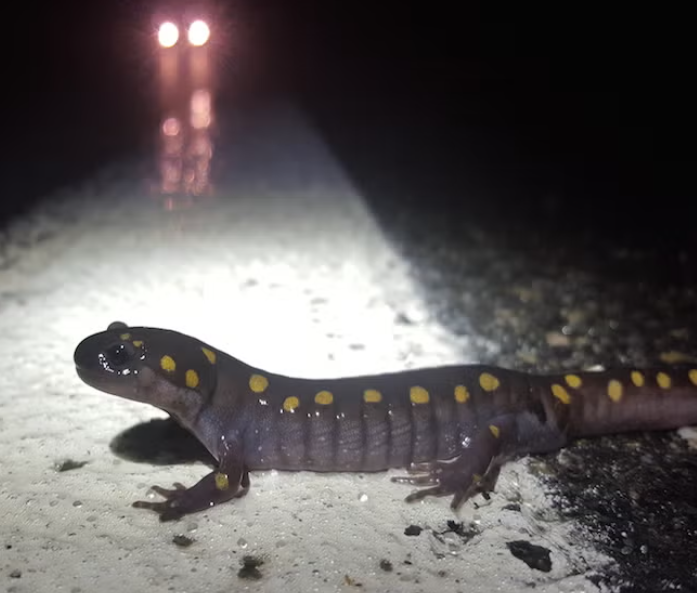
Collateral Damage
Collateral damage is another chapter from Braiding Sweetgrass by Robyn Wall Kimmerer. The chapter uses incredibly descriptive, immersive language to describe Robyn’s experience helping salamanders cross a road near her home as they migrate back to their birthplace to spawn the next generation. This chapter also coincides with the night that the USA began the […]
Continue reading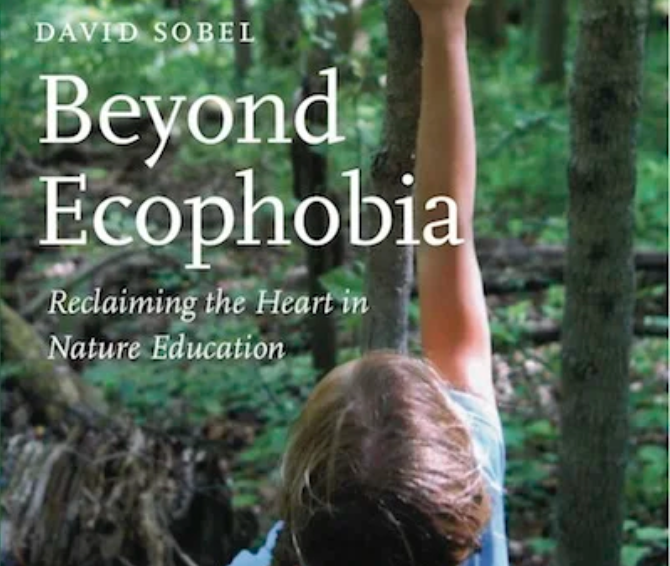
Beyond Ecophobia – David Sobel
During class time, we examined the article “Beyond Ecophobia” by David Sobel. Sobel argues in this article that education introduces students to the global climate and ecological crises too early, creating anxiety rather than empowerment (Sobel, 1996). This Idea of climate anxiety is becoming more and more prevalent as the climate crisis and carbon emissions […]
Continue reading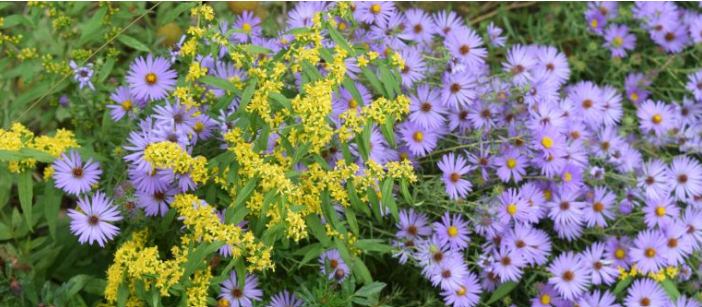
Asters and Goldenrod
Asters and Goldenrod was the second chapter from Braiding Sweetgrass we were asked to read for class, which discusses Robyn’s entry into college because she wanted to discover the relationship between the two flowers, asters and goldenrod. If the book is a heart, this chapter is a steady pulse beating within it. Asters and goldenrod […]
Continue reading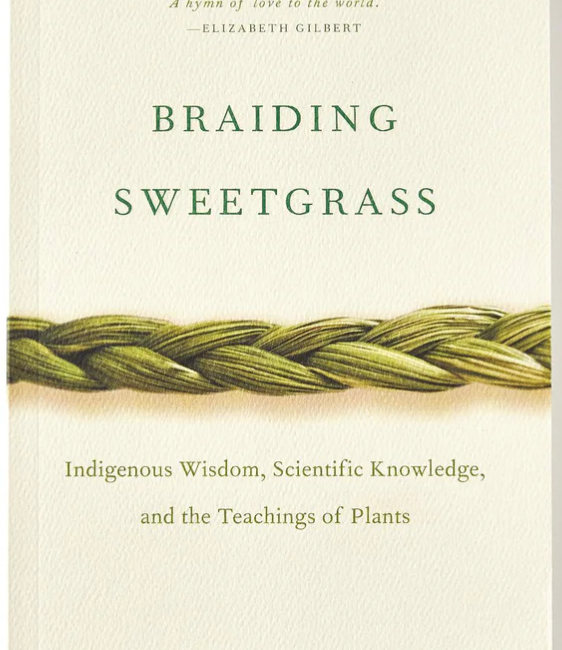
Mishkos Kenmagawen: The Teachings of Grass
“We are all the product of worldviews – even scientists who claim pure objectivity” (Kimmerrer, 2013) For our science class this year, we have been asked to reflect on the course material and its impact on us and our development as educators. Because of this, I have chosen to start here with a quote from […]
Continue reading