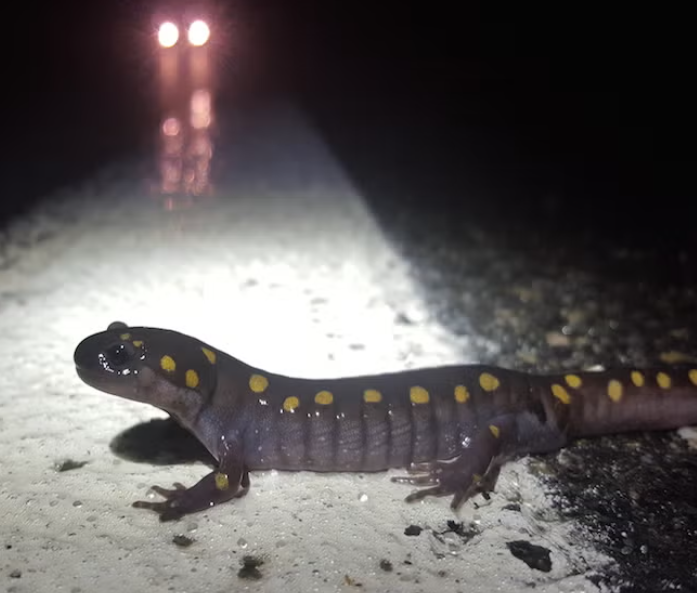
Collateral damage is another chapter from Braiding Sweetgrass by Robyn Wall Kimmerer. The chapter uses incredibly descriptive, immersive language to describe Robyn’s experience helping salamanders cross a road near her home as they migrate back to their birthplace to spawn the next generation. This chapter also coincides with the night that the USA began the […]
Continue readingAuthor: connorhall
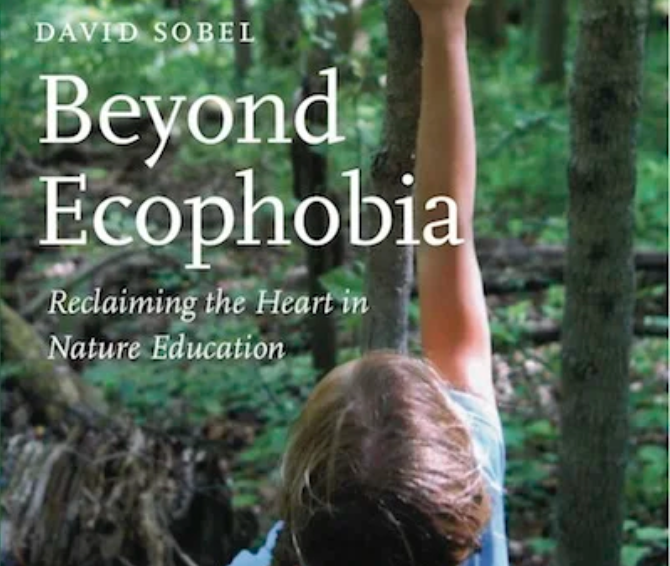
Beyond Ecophobia – David Sobel
During class time, we examined the article “Beyond Ecophobia” by David Sobel. Sobel argues in this article that education introduces students to the global climate and ecological crises too early, creating anxiety rather than empowerment (Sobel, 1996). This Idea of climate anxiety is becoming more and more prevalent as the climate crisis and carbon emissions […]
Continue reading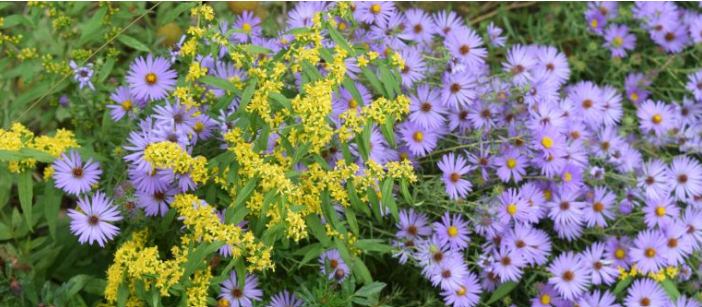
Asters and Goldenrod
Asters and Goldenrod was the second chapter from Braiding Sweetgrass we were asked to read for class, which discusses Robyn’s entry into college because she wanted to discover the relationship between the two flowers, asters and goldenrod. If the book is a heart, this chapter is a steady pulse beating within it. Asters and goldenrod […]
Continue reading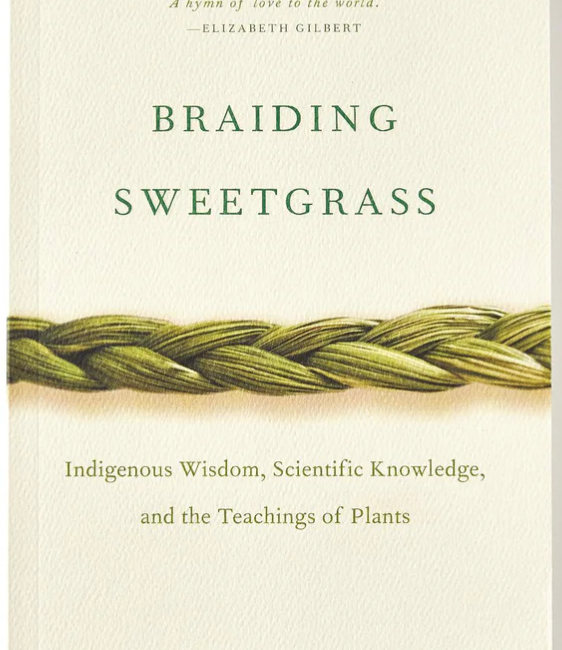
Mishkos Kenmagawen: The Teachings of Grass
“We are all the product of worldviews – even scientists who claim pure objectivity” (Kimmerrer, 2013) For our science class this year, we have been asked to reflect on the course material and its impact on us and our development as educators. Because of this, I have chosen to start here with a quote from […]
Continue readingLiteracy Stations: Alphabet Go Fish
This week, during a visit to a kindergarten classroom, I facilitated a literacy station using Alphabet Go Fish to support early letter recognition. Students participated in four groups of four to six learners, with each group spending approximately fifteen minutes at the station. The students were excited to have us in the classroom, and I […]
Continue readingIF Not Here, Then Where?
This week’s post is a reflection on the article “If not here, then where by Jo Chrona. You can find the article here. The article examined why it remains important to teach about Indigenous culture even when those students are not represented within one’s class. Many schools and educators default to teaching about the cultures […]
Continue readingComparing and Contrasting Reflection Models.
As we delve further into this semester, we are asked to reflect on how we reflect and the models that people use. The purpose of this post is to compare and contrast Graham Gibbs’ reflective cycle and John Driscoll’s. Now what? model ultimately choosing one to use to reflect on an experience, and then connecting […]
Continue reading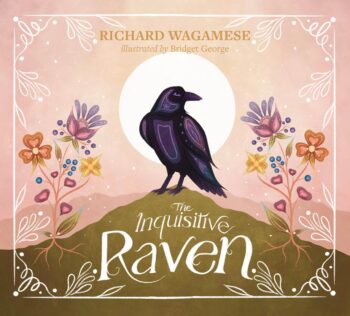
Read Alouds for all Learners
During class time, we had the opportunity to work with students at a local elementary school, exploring the novel “The Inquisitive Raven” by Richard Wagamese. This process took place over three one-hour sessions, during which another teacher candidate and I read a section of the book and then worked with the students through drama and […]
Continue readingTeacher World View
As part of our practicum prep class for this semester, we have been asked to reflect on the bc teachers’ competencies. These competencies outline what is required to engage in the workforce as an educator in a professional setting. The first competency outlined is to examine one’s own worldview to develop awareness of it and […]
Continue reading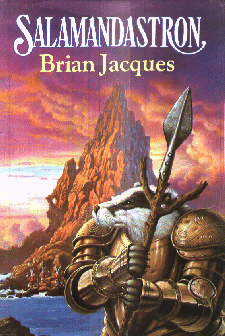
The one book that changed everything
I was in my grade five class in elementary school. At this age, I had always enjoyed reading, but I saw it more as a task to be completed than as something to enjoy. Reading and comprehension were the ever-present goals of our learning. Can you not only read this text but also understand it […]
Continue reading