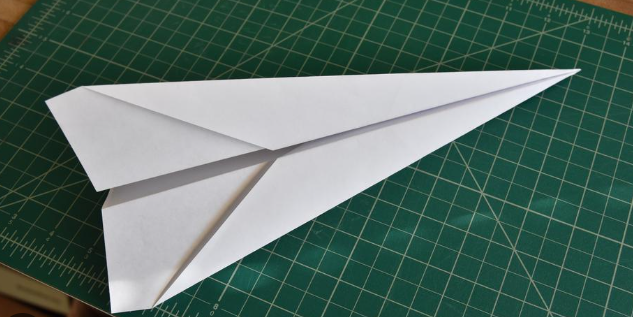
Immediately upon seeing the science course in my curriculum, my mind was filled with visions of large model volcanoes erupting and solar system dioramas. This is a clichéd image, likely shaped by watching too many after-school specials on TV. Nevertheless, I couldn’t wait to get my hands dirty in our science class, and I wasn’t disappointed. Science demonstrations are an excellent tool for creating the “wow” factor in a class and generating wonder and inquiry among students. After all, science is cool! Our first assignment was to develop our own science demonstration and present it to the class. In a group of three, my team and I needed something that fit the curriculum, was quick to set up and take down, and could engage our peers. While I feel I missed out on the opportunity to build that volcano, I so desperately sought after from my childhood. (As an adult, all I could think about was accidentally destroying the library of the school we were presenting in.) Ultimately, our team decided to demonstrate forces such as gravity, lift, and drag by building and throwing paper aeroplanes.
The Experiment
To teach our peers about force, we handed out our prediction sheets and discussed the forces acting on our aeroplanes, as well as notable pilots throughout history and in Canada. Then we selected a group of volunteers, each to throw a plane. We marked where the planes landed, and then the volunteers could add one modification to their plane and throw it again, using paper clips, flaps, stripes, etc. After the participants modified, they then had to predict what would happen and throw again. Overall, the experiment was engaging and fit within the time frame, and we had some great flight simulations as well as some quirky additions to the crafts. One of the most notable being Graham, who added flames for speed. While this was not scientifically proven to work, I think that positive manifestation, as well as heightened confidence in the throw, did allow the plane to fly further.
Reflection
The experiment did go well overall. This experience gave me the confidence to run demonstrations in my practicum class science unit on matter. Seeing how engaged everyone was in the experiment really sparked that moment of childlike wonder for me. The other experiments the class picked were also very interesting and well thought out. One thing I have always appreciated about our cohort is the diversity and execution of ideas that happen when given the same assignment. This reflection is connected to the curriculum as it was a science lesson for the grade six class involving force. Furthermore, it influenced how I will approach my practicum teaching, as science demonstrations are effective hooks and closing activities that make what students are learning visible and reach more students in one class.