“We are all the product of worldviews – even scientists who claim pure objectivity” (Kimmerrer, 2013)
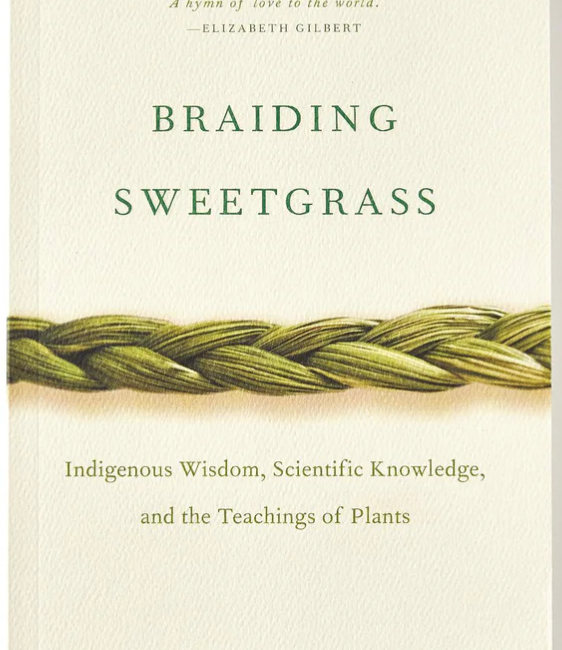
For our science class this year, we have been asked to reflect on the course material and its impact on us and our development as educators. Because of this, I have chosen to start here with a quote from a book we will be reading during this semester, Braiding Sweetgrass by Robin Wall Kimmerer. I chose this quote because it reminded me that no matter how objective one tries to be, worldview and bias will always come into play. However, this need not be a bad thing. Having a range of perspectives, ideas, and worldviews working together on problems ultimately benefits everyone and is more likely to produce a more effective result for more people.
Although worldview isn’t explicitly listed in the science curriculum as a competency, I believe it can be connected to the big ideas of creative and critical thinking, personal awareness, and responsibility. Students will need to be aware of their worldview and how it influences the work they choose to pursue, as well as the lens through which they perceive events. For example, a student with Indigenous heritage, a student who hunts with family, and a student whose family relies on the coal mine for work will likely all understand that the resources and how we manage them are important to their livelihoods, way of life, and recreation. However, they might differ in their opinions about how to manage those resources. By teaching students to examine their own worldview and consider multiple perspectives, we can hopefully create a more sustainable future in which the land we live on is put first.
This reflection has been included because I have been more thoughtfully examining my own worldview and how it influences my approach to problems and my teaching style. At the beginning of this program, I would have been the student who worked alone rather than with peers because I believed that was how I could maintain the quality of my work. However, I was missing out on the opportunity and diversity that incorporating others’ worldviews into projects could bring. Now, without a doubt, I would say that some of my best work has been produced because I have had the privilege of allowing my colleagues to examine it and give feedback on where to improve and how I can reach more students.
Kimmerer, Robin Wall. Braiding Sweetgrass: Indigenous Wisdom, Scientific Knowledge and the Teachings of Plants. Milkweed Editions. Kindle Edition.