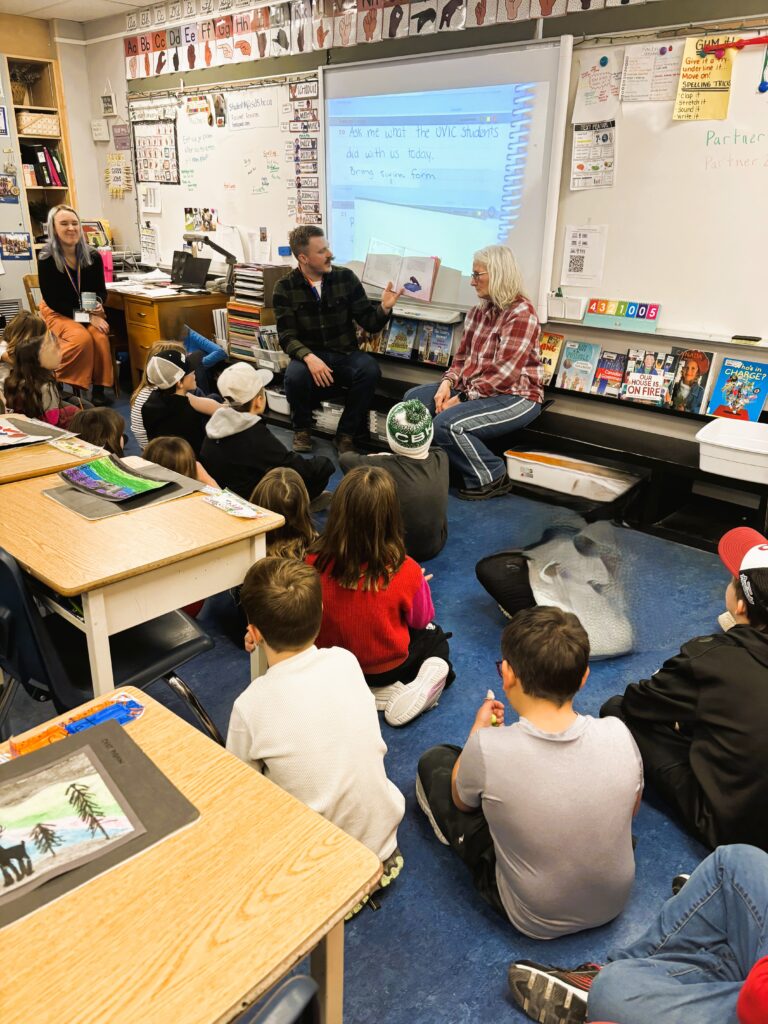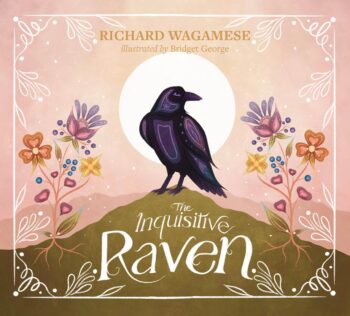
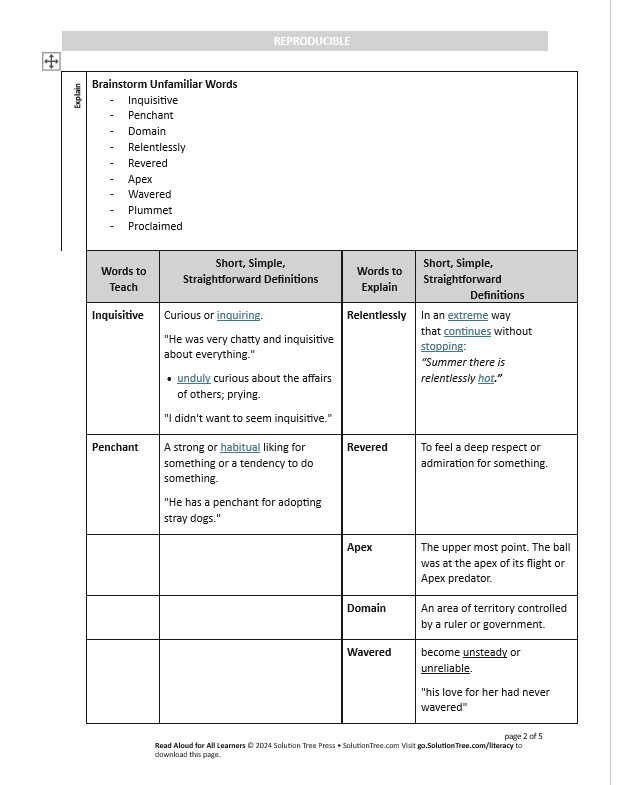
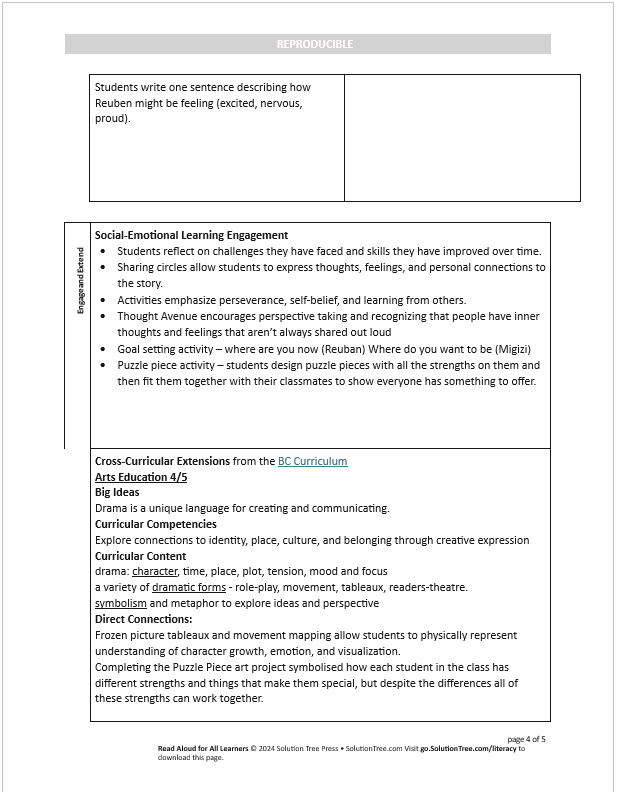
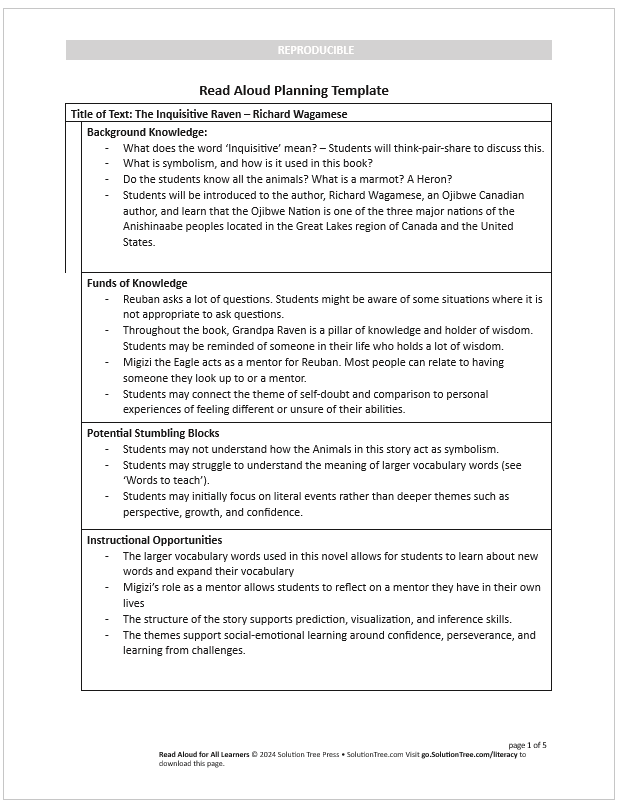
During class time, we had the opportunity to work with students at a local elementary school, exploring the novel “The Inquisitive Raven” by Richard Wagamese. This process took place over three one-hour sessions, during which another teacher candidate and I read a section of the book and then worked with the students through drama and literacy activities to deepen their understanding of the book’s themes. To supplement this learning, we worked from a template within our class text, “Read Alouds for all Learners” by Molly Ness (2024). This post is dedicated to reflecting on that experience by sharing the template and discussing some curricular connections we made, as well as how the experience unfolded with the students.
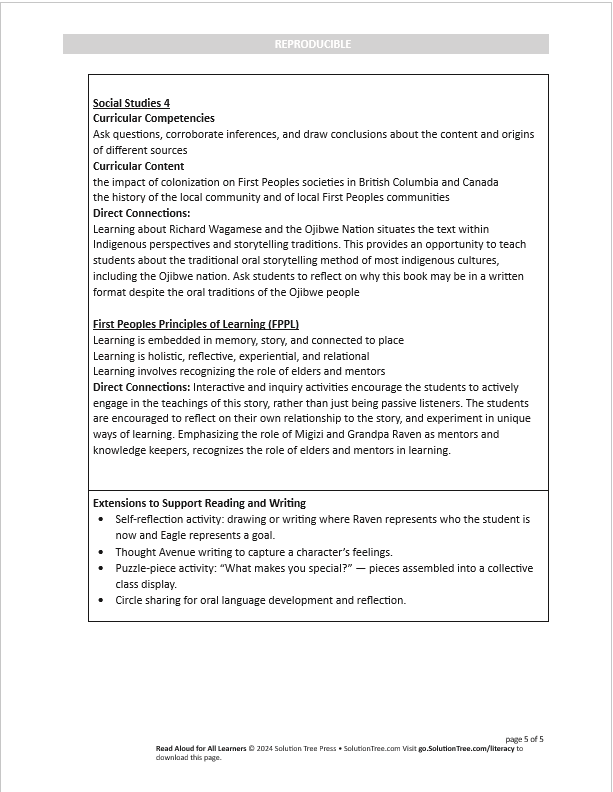
Activities
During this experience, we did several activities listed in the read-aloud template; however, I will discuss the ones I believe had the most impact, how they went, and adaptations I would make for the future.
This activity involves each student writing a sentence from the protagonist Reuben’s perspective and then sharing it as Reuben walks by. Conscience Alley is a great way for students to step into a character’s role and imagine what it would be like to experience part of the story. The activity is also a fantastic tool for understanding that emotions are not black-and-white and that, in many situations, one can feel a range of emotions. While the activity itself was very impactful and the students enjoyed participating, we had a rather large group. If I were to run this again, I would have split the class into three groups so that more people could experience being reuban, perhaps moving some desks to make the space less congested. This activity aligns with BC teacher competency number five because my partner and I implemented effective planning and instruction by working with students across a range of disciplines, creating an inclusive and safe environment where students could participate.
Where do I fit?
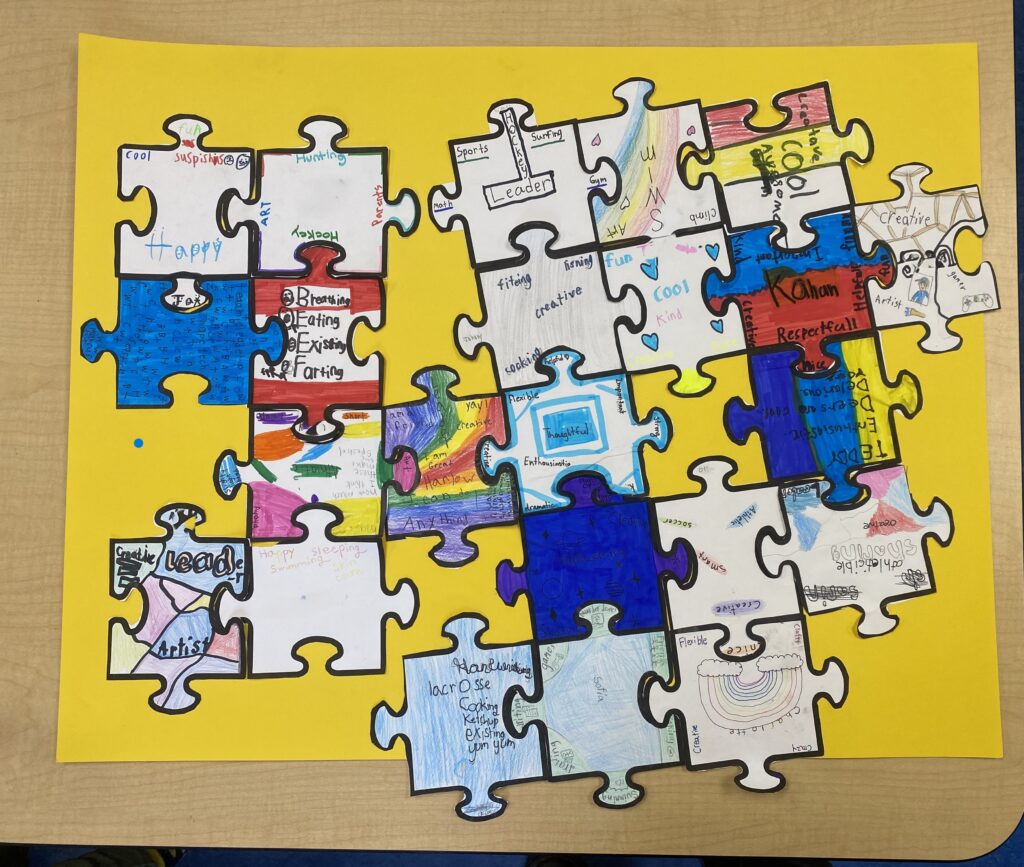
Near the end of the book, Reuban learns from his grandpa that although he is not like the great eagle Migizi, he still has so much to offer the world. To highlight this, we asked students to create their own puzzle piece and fill it in with their strengths, both inside and outside the classroom. The students would then glue each piece together, showing them that although their gifts are different, each has a place. The students enjoyed the activity, and the final product turned out really well. There was an incredible variety within the puzzle pieces. However, one thing I would change for future lessons is to include exemplars of the final product and some of the individual puzzle pieces. This activity meets the requirements of BC educators’ standard number three, “Children are social beings.” The activity supported diversity and connection to social identity and created a physical model that showed students how each person in their class, despite having a different worldview, was connected. Below are some photos from the experience, along with a picture of the final puzzle-piece project. Any time we, as a cohort, have the opportunity to work with students at the school, the experience is invaluable. I am always very impressed by the students’ ideas, perspectives, and thoughtfulness.